


Termite Awareness
Protect Your Home from Termite Damage
Did you know that termites cause billions of dollars in property damage every year? And to make matters worse, homeowners’ insurance policies generally don’t cover this damage, as it’s considered preventable. Fortunately, with the right information and timely actions, you can steer clear of expensive termite damage and have peace of mind that your biggest investment is protected.
Below you’ll find things you need to know about termites, from infestation signs to details about the different species found in the Southeastern United States. If you suspect termites are wreaking havoc at your home or want to schedule a routine inspection, call Landlock Pest Control, your go-to for termite control backed by over a decade of experience.
We offer free inspections and estimates, so why wait? Reach out online or call (757) 906-5380 to have our licensed, insured, and Termidor®-certified team safeguard your home from termites.
How to Spot a Termite Infestation
When you know the warning signs of termites, you can call for help before these pests cause major damage. So, what should you watch out for?
Wood Damage
Look for the following:
- Bubbling or peeling paint around entryways, windowsills, and baseboards
- Blisters in wood flooring
- Hollowed or damaged wood within your crawl space, porch, and deck
To catch the above, we recommend tapping exposed wood, checking around door frames, and looking at deck posts and porch supports at least once or twice a year. If you are already planning seasonal chores like cleaning gutters or checking HVAC filters, adding a quick visual check for these wood changes can help you spot issues before they become worse.
Moisture
Termites dehydrate easily, so they thrive in warm, moist environments. That’s why you should be on the lookout for excess moisture or environments that may trap moisture. This can include water pooling around your foundation, woodpiles or debris near your home, and heavy mulch/dense plants that sit right against your foundation walls.
Good moisture control makes your property less attractive to termites, which is why we often pair ventilation solutions, drainage improvements, and other moisture control services with our termite interventions.
Termite Tunnels
Termite mud tubes are pencil-sized tubes found where the ground meets your foundation. They protect termites from temperature and humidity changes while they feed. You may see them in your crawlspace, garage, along your patio, or around the baseboards in your home. Often, termite tubes are mistaken for water staining. If you notice them, contact us right away.
Our team can assess the tubes and determine what you must do to stop termites from damaging your home. Before we arrive for your inspection, avoid scraping termite tubes or knocking them down; doing so can make it harder for our technicians to see the full pattern of these pests’ activity. When we can see exactly where termites are traveling, we can plan treatments that target those routes more effectively.
What to Know About Termite Colonies & Castes
There are thousands of known species of termites in the world. The most common species of termite in Virginia and across much of the Southeast is the subterranean termite. These pests live in colonies of up to 2 million members and are easily some of the most destructive species in the region.
Subterranean termites build colonies underground, which provides them with food, moisture, and protection. Each colony has specific termite castes to complete various tasks. These include reproductive swarmers, worker termites, soldier termites, and, of course, a king and queen.
Termite Swarmers
Reproductive swarmers are the only members of the caste with functional eyes. These winged termites start appearing in large numbers during the warmer months, usually in the daylight hours.
Termite swarmers are new king and queen termites that leave their parent colony to mate and establish new colonies of their own. Shortly after mating and landing, their wings break off, and they begin excavating an area to start their own colony.
In states like Georgia, Florida, and the Carolinas, swarmer season can come earlier because of mild winters and long warm periods. Should you see what looks like flying ants gathering around windows, doors, or lights, contact Landlock Pest Control for an inspection right away.
Worker Termites
Workers are the laborers for the colony. They repair the nest, build tunnels, locate food, and feed and groom other members of the castes.
These milky white workers have no wings or eyes and are by far the most numerous in the colony, totaling anywhere from 90 to 98% of the colony's population.
Most of their foraging takes place in the top 6 to 12 inches of soil until they find a source of cellulose. Once they have found their buffet, they call other workers to action and completely exploit the area. Unfortunately, this “area” is typically a home.
Because workers move between the soil and building structures, they often carry moisture and soil into wood beams, sill plates, and subfloors. In homes with crawlspaces, which are common in Virginia, North Carolina, and South Carolina, this activity can combine with existing moisture problems to speed up structural damage.
Soldier Termites
Soldier termites have enlarged, darker colored heads and distinct mandibles adapted for fighting. As their name suggests, these termites are in charge of defending the colony.
Called into action at any breach within the tunnel walls, they protect the colony against other invasive species, whether that’s marauding ants or even foreign termites.
King & Queen Termites
King and queen termites have the longest lifespan within their colony and will spend most of their lives underground mating, tending to their young, and expanding their family. In just a year, they can produce over 500 offspring. A mature colony will include some 60,000 to 2 million termites.
You may think that eliminating the king and queen will take care of the colony, but that is not the case. Other termites will develop the necessary organs to get the job done and keep the colony growing and thriving at a much more accelerated rate.
This is why strategic, routine termite treatments are necessary for fully eliminating termite colonies and preventing them from returning.
Termite FAQs
What Do Termites Eat?
Termites eat cellulose from wood and plants. They prefer soft wood like pine, and they can also feed on sheetrock, books, cardboard, and photographs.
Homes across the Southeast often use pine framing and trim, which gives subterranean termites plenty of food once they gain access.
How Often Should I Schedule a Termite Inspection?
In termite-prone areas like Virginia, North Carolina, South Carolina, Georgia, Florida, and West Virginia, most homeowners can benefit from a professional termite inspection at least once a year.
Annual inspections help catch early activity, confirm that treatments remain effective, and give you time to address any moisture or structural issues. If you have had termites before or see warning signs, you may want an inspection sooner.
How Do You Eliminate Termite Colonies?
We use Termidor®, a treatment that works by eliminating the entire colony, not just the termites you can see.
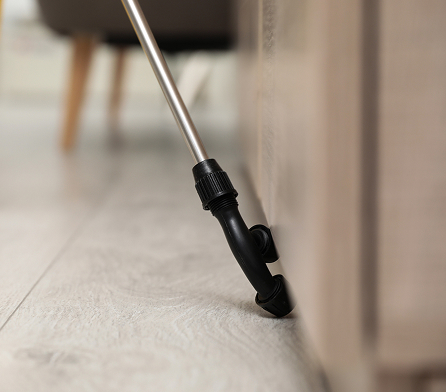
Our team applies a liquid solution to the soil around and beneath a structure, where termites live and travel. Termites that pass through the treated area pick up the product and unknowingly carry it back to the colony. Because Termidor® is slow-acting, the termites do not detect it and continue their normal activity, spreading it to others through contact and grooming.
Over time, this process wipes out the colony at its source and creates a long-lasting protective barrier around your building to prevent future infestations.
Are Liquid Termite Treatments Safe for My Family & Pets?
Professional liquid termite treatments are designed to target termites, all while maintaining safety for people and pets when applied correctly.
At Landlock Pest Control, we use products that are safe for people, property, and pets, and we use integrated pest management (IPM) practices to keep exposure low. Your technician can explain where products are applied and how to avoid contact while they dry.
Do You Offer a Termite Warranty?
Yes, once you have had the subterranean termite treatment from us, we will provide a structural warranty on your home for up to $100,000.
We will return once a year to reinspect for termites, apply another layer of preventative termite treatment, and renew your structural warranty for another year.
If you plan on moving in the future or have a chance of being relocated due to your job, this coverage still helps you. The warranty is transferable to the new homeowner, as long as you have maintained it yearly.
Do I Still Need Termite Protection if My Home is Mostly Brick or Concrete?
Yes. Even brick or concrete homes contain plenty of cellulose, including framing, floors, trim, cabinets, and stored items. Termites can enter through small gaps and then feed on wood and other materials inside. Knowing this, our inspections and control solutions target hidden access points, not just visible signs of termites.
What Should I Do if I See Termite Swarmers Inside My Home?
If you see winged termites or piles of discarded wings indoors, you may have an active colony nearby. Avoid spraying them with over-the-counter products and try not to disturb the area. Contact Landlock Pest Control for a termite inspection, so we can identify the source and recommend a targeted treatment plan.
Yikes! You Have Termites?
Not to worry! Landlock Pest Control is a Termidor®-certified company with over a decade of experience serving our communities, and we have your back. Whether you’ve noticed any signs of termites or just want the peace of mind that comes with a professional inspection, we are ready to help. Proudly, our team serves property owners across Virginia, North Carolina, South Carolina, Georgia, Florida, and West Virginia, providing lasting results and unbeatable customer care.
Call (757) 906-5380 or reach out online to schedule your free termite inspection and learn how Landlock Pest Control can help protect your property for the long term.
Our FAQ
Have questions? We are here to help. Still have questions or can't find the answer you need? Give us a call at 757-906-5380 today!
-
Most homeowners benefit from quarterly treatments, but homes with severe infestations may need monthly service.
-
Yes. We use EPA-approved products and apply them so they are safe for families and pets once dry.
-
While using an over-the-counter product may help stop a current pest problem, it will not help prevent against pest problems in the future. If you are not experienced in pesticides, applying treatment on your own can be very unsafe for kids, pets, or even adults if not handled properly. Also, in most cases, pests will return unless you take the appropriate measures to prevent them. In as little as 30 days you can start to notice new infestations if not treated properly.